
ST-OPV is a next-generation, film-based solar technology that simultaneously delivers power generation and heat shielding.
Its lightweight and flexible structure enables installation on windows, building exteriors, and mobility surfaces where conventional solar systems cannot be deployed. By expanding the range of viable applications, ST-OPV transforms architecture and urban space into distributed energy infrastructure, contributing to decarbonization and enhanced energy independence.
ST-OPV is a next-generation, film-based solar technology that simultaneously delivers power generation and heat shielding.
Its lightweight and flexible structure enables installation on windows, building exteriors, and mobility surfaces where conventional solar systems cannot be deployed. By expanding the range of viable applications, ST-OPV transforms architecture and urban space into distributed energy infrastructure, contributing to decarbonization and enhanced energy independence.
ST-OPV is a multilayer thin-film photovoltaic device based on organic semiconductor materials. A photoactive layer absorbs light and converts it into electrical energy within a compact layered structure.
Engineered as a lightweight, flexible film, ST-OPV can be integrated directly into architectural and mobility surfaces, enabling power generation in applications where conventional solar panels are impractical.
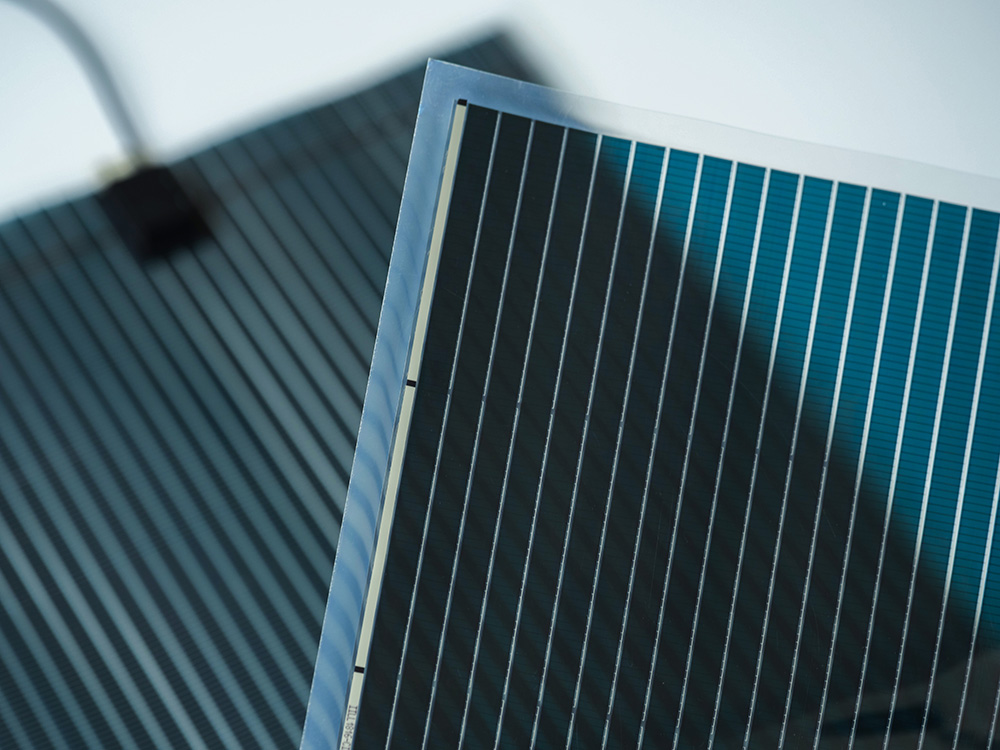
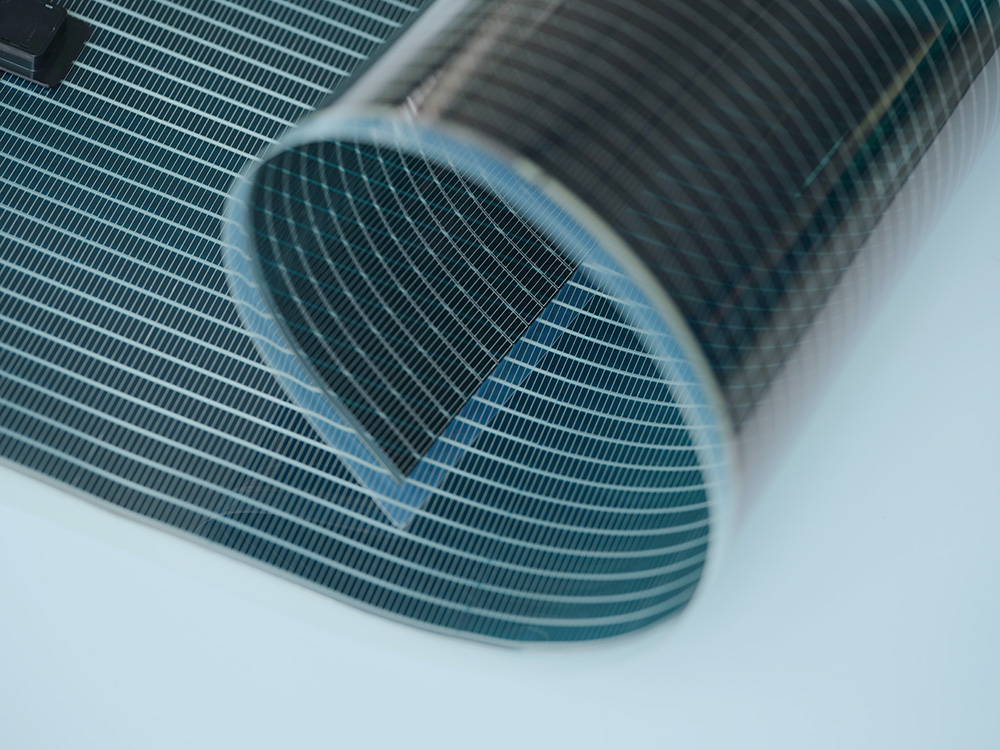
ST-OPV expands the range of surfaces capable of generating energy, extending solar functionality into applications conventional systems cannot efficiently serve. Rather than replacing established technologies, it broadens the solar ecosystem through architectural and structural integration.
|
PHD Printed Film |
Silicon PV (c-Si) |
|
|
Process temperature |
Low (<120°C) ✓ |
High (~700°C) ✗ |
|
Emissions |
Extremely Low ✓ |
High ✗ |
|
Substrate |
PET-based ✓ |
Glass based ✗ |
|
Flexibility |
30,000 cycles(1) ✓ |
Rigid and fragile ✗ |
|
Transparency (%) |
Up to 50% ✓ |
0% ✗ |
|
Aesthetics |
Multiple colors ✓ |
Dark blue ✗ |
|
Weight (per sqm) |
Ultra-light (<0.5 kg) ✓ |
Heavy (~20.0 kg) ✗ |
|
Supply chain |
Diversified (carbon/polymer) ✓ |
Concentrated (crystal silicon) ✗ |
|
Logistics (Watts per 20-ft container)(2) |
2.5 MW ✓ |
0.13 MW ✗ |
|
PCE Efficiency (Watts per sqm)(3) |
150W rapidly increasing ⏱ |
Up to 230W ✓ |
(1) Bending testing under 5 cm diameter roll
(2) PHD Printed [50 W / 0.5 Kg] per sqm VS. PHD Printed [Silicon PV / 20.0 Kg]
(3) Power conversion efficiency (PCE) / Measurement in scale-up device size (Basu et al., Joule 8, 970-978 (2024)
Rooted in Nobel Prize–Recognized Japanese Scientific Breakthroughs
OPV traces its origins to two Nobel Prize–winning discoveries that advanced organic semiconductor technology.
The discovery of conductive polymers demonstrated that organic materials can conduct electricity, establishing the foundation of organic electronic materials. The development of cross-coupling reactions enabled the precise design of high-performance functional molecules, including conductive polymers.
The accumulation of this foundational science ultimately made possible the development of OPV as a new class of power-generation technology.
| Discovery of Conductive Polymers
Nobel Prize in Chemistry, 2000
Dr. Hideki Shirakawa
The discovery that organic polymers can conduct electricity established the field of organic semiconductors, enabling plastics and carbon-based materials to function as electronic devices.
| Suzuki–Miyaura Cross-Coupling Reaction
Nobel Prize in Chemistry, 2010
Dr. Akira Suzuki
Precision organic synthesis techniques enabled the controlled design of conjugated molecular structures, forming the basis for high-performance organic semiconductor materials.
- From Conductive Polymers to Organic Semiconductors -
Evolution of OPV Materials Enabled by Cross-Coupling Technology
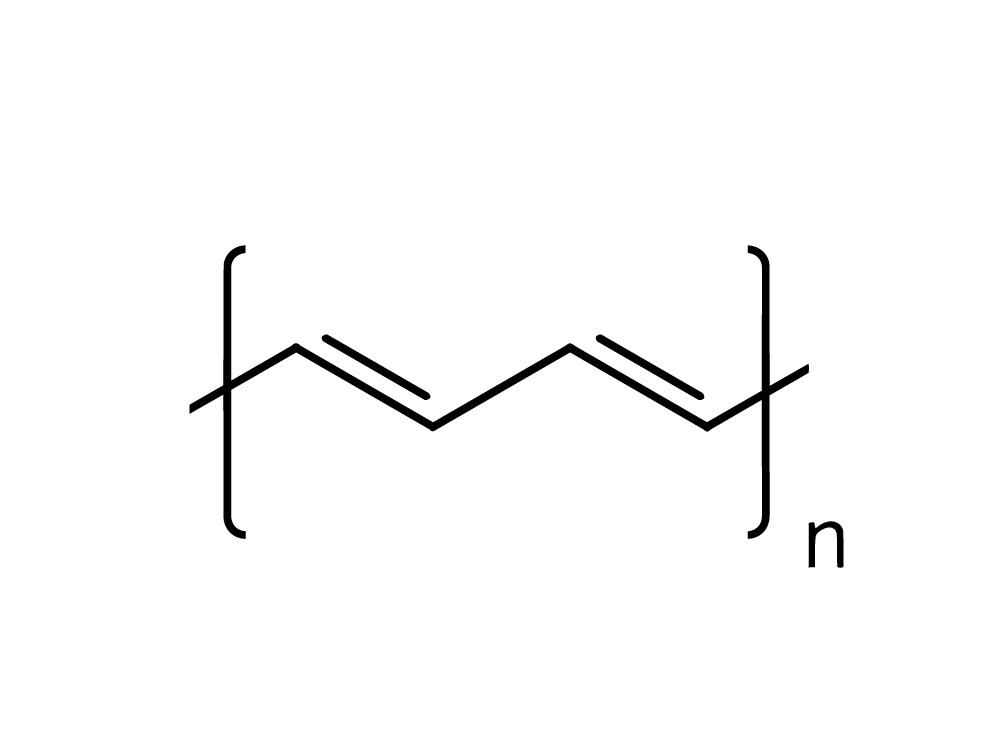
polyacetylene
【1970s -】
- Discovery of Conductive Polymers
- Metallic conductivity by doping
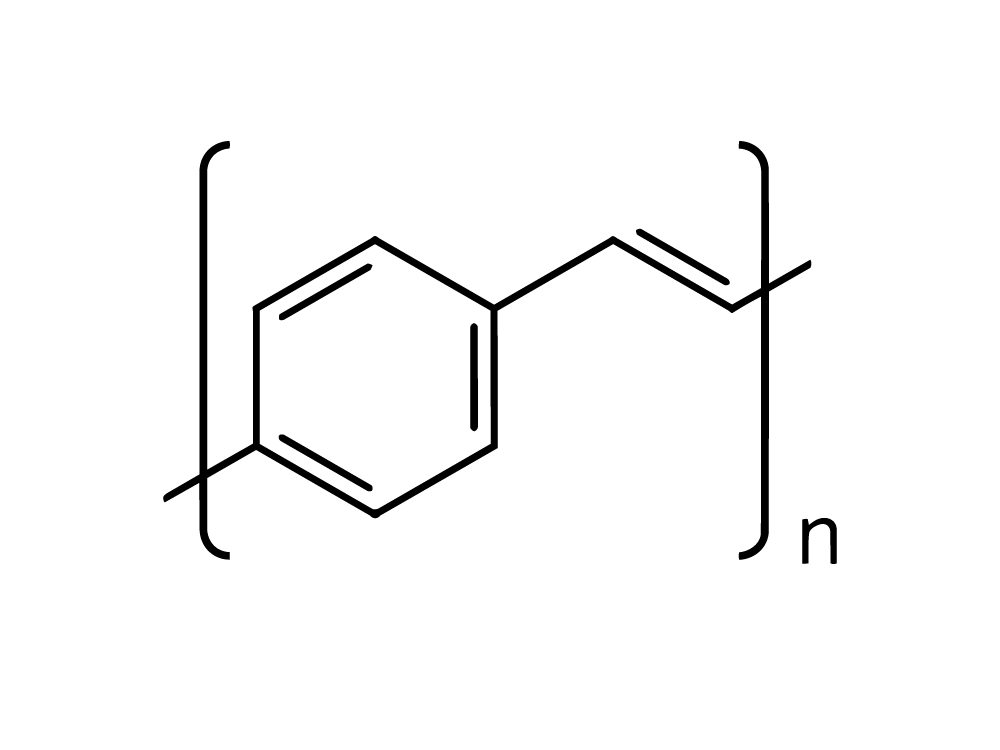
Poly(p-phenylene vinylene) derivatives
【1980s – 90s 】
- Semiconducting and light-emitting properties
- Used as emissive materials in OLEDs
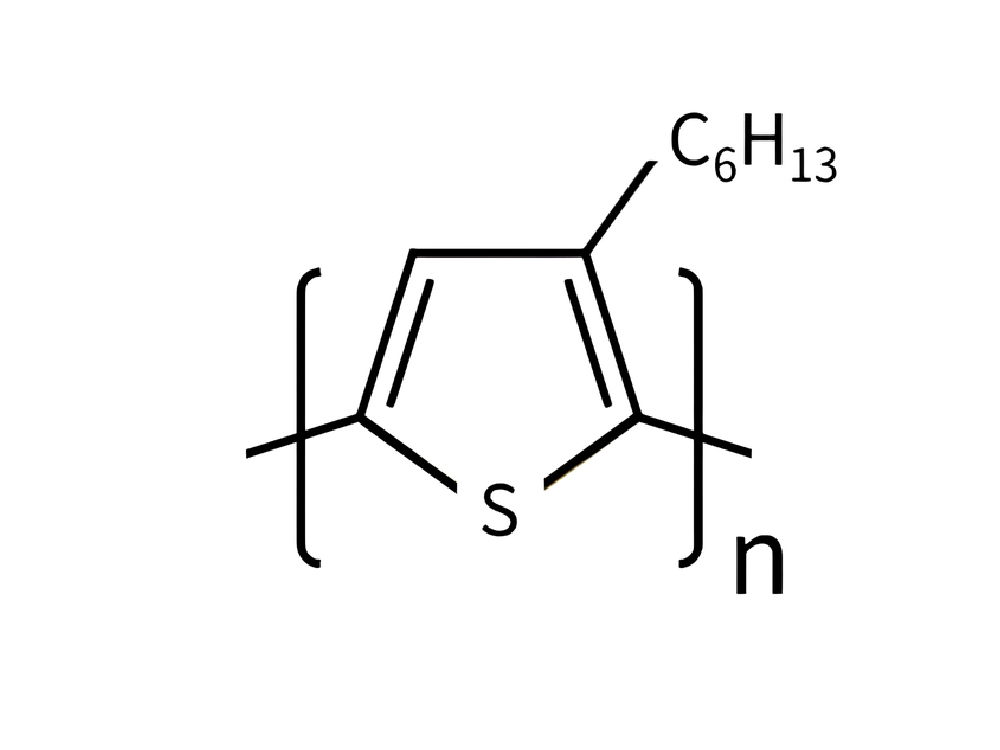
polythiophene derivatives
【1990s – early 2000s】
- Soluble in organic solvents
- Standard material for OPV
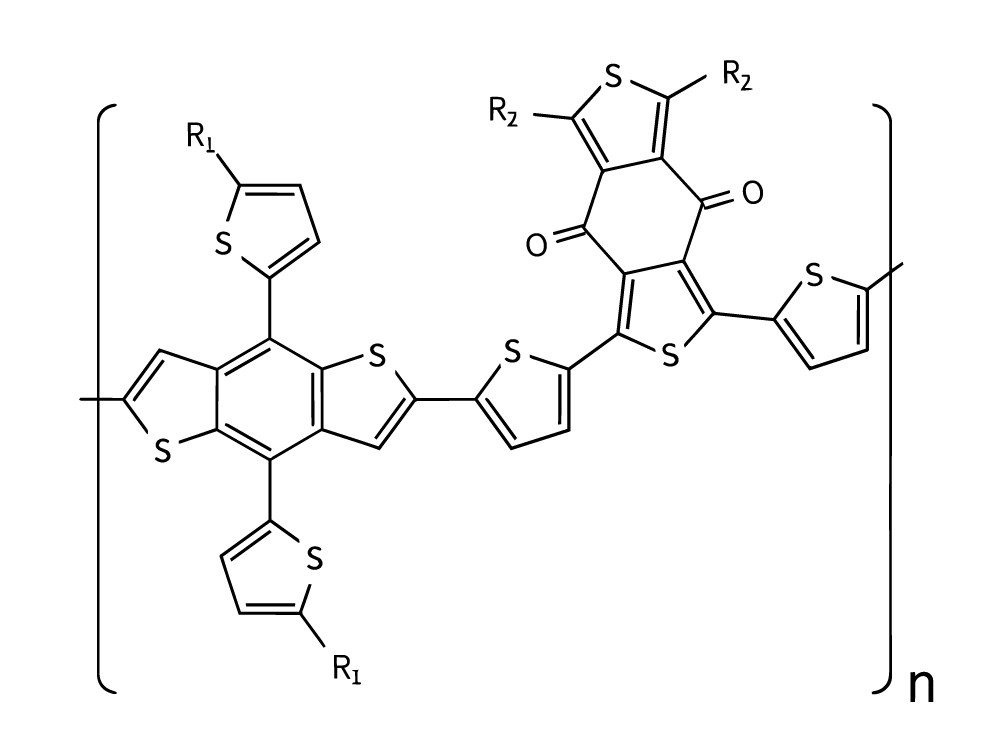
Donor-Acceptor type π-conjugated materials
【Late 2000s – present 】
- Bandgap engineering
- Precise control of HOMO/LUMO energy levels
Advancement of π-conjugated materials enabled by cross-coupling
Engineered for real-world integration, ST-OPV delivers a unique combination of safety, design flexibility, structural lightness, and thermal performance, expanding where and how solar can be deployed.

Organic Materials and Safety
Based on organic semiconductor materials, ST-OPV is a lightweight, low-risk photovoltaic film for safe integration into buildings and infrastructure.

High Transparency and Design Integration
Semi-transparent and color-tunable, ST-OPV integrates into glazing and facades without compromising architectural intent.

Lightweight and Flexible
Ultra-lightweight thin-film construction enables flexible handling and installation on load-sensitive or retrofit surfaces.

Heat-Shielding
Infrared absorption and reflection reduce heat gain while generating electricity, improving comfort and energy efficiency.
| Integrated Power and Thermal Performance
Generates on-site electricity while reducing solar heat gain, improving overall building energy efficiency and operational performance.
| Distributed Energy for Infrastructure Resilience
Enables decentralized power generation across buildings and regions, strengthening energy security and enhancing resilience against disruption.
| Next-Generation Decarbonization Solutions
Advances decarbonization and responsible corporate management through renewable energy integrated directly into buildings.
| Aesthetic Energy Infrastructure Integration
Transforms built assets into power-generating infrastructure without sacrificing design integrity, landscape quality, or urban aesthetics.
ST-OPV expands where and how solar can be deployed. It enables integrated power generation across real-world assets while enhancing performance, efficiency, and sustainability.
Flexible Deployment
Unlock on-site power generation across glazing, facades, and load-sensitive structures where conventional solar cannot be installed.
Total Energy Cost Optimization
Generate electricity while reducing solar heat gain, improving overall building energy performance and long-term operating costs.
Environmental Value
Transform building exteriors into decarbonization assets that demonstrate responsible management while enhancing brand value and stakeholder trust.
Daylight with Thermal Control
Maintain natural light while controlling heat transmission, supporting occupant comfort, and reducing HVAC demand.
Seamless Synergy of Design and Energy
Integrate renewable energy without compromising design intent, aesthetics, or urban landscape quality.
Lower-Impact Materials Approach
Leverage organic semiconductor film technology designed for lightweight deployment and reduced environmental burden.
ST-OPV is designed for integration across diverse built environments and mobility platforms. Its lightweight, semi-transparent film format enables new energy-generating surfaces in commercial, public, and transportation sectors.
Commercial and Public Facilities
ST-OPV enables on-site power generation across retail, office, logistics, healthcare, and public buildings. Integrated into glazing and facade surfaces, it supports energy cost reduction and visible ESG initiatives without major structural modification.

Architecture and Building Materials
Applied to curtain walls, skylights, and building envelopes, ST-OPV transforms architectural surfaces into functional energy assets. Its transparency and flexibility allow renewable energy integration without compromising design intent.

Mobility
ST-OPV supports distributed energy functionality in mobility applications where weight, curvature, and design constraints limit conventional solar use. Its thin-film structure enables practical integration into next-generation transportation platforms.

Contact Us to Discuss Implementation